Natural flea beetle prevention, what commercial growers do, and an interesting idea involving backyard chickens and quail.
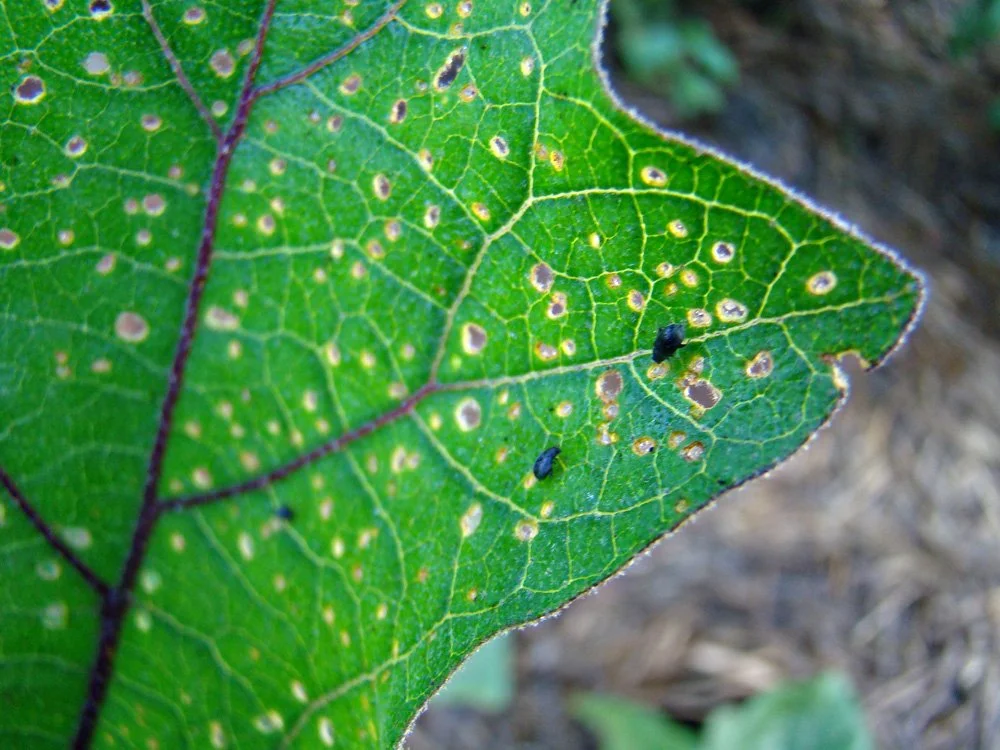
If you've ever grown eggplants and noticed dozens of tiny holes appearing in their leaves, you've probably encountered flea beetles.
These tiny insects can be a real headache, especially for gardeners in Tennessee, where the warm growing season allows flea beetle populations to build throughout spring and summer.
I recently started looking into this problem because of a Tennessee gardener who deals with flea beetles every single year.
That got me thinking: Instead of constantly treating the plants, what if we could interrupt the flea beetles' life cycle? And could backyard chickens or quail play a role? As someone who gardens with chickens, I was especially interested in that possibility.
Here's what I discovered.
What Are Flea Beetles, and Why Do They Love Eggplants?
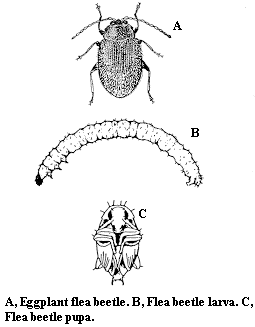
Flea beetles are tiny beetles, usually about 1/16 to 1/8 inch long. Most are dark-colored, and they jump like fleas when disturbed.
They feed on the leaves of several vegetables, but eggplants are especially susceptible.
The damage is easy to recognize. The beetles chew lots of tiny holes in the foliage, creating what gardeners call a shot-hole appearance.
A large, established eggplant can often tolerate some of this damage and continue producing fruit. But a small, newly transplanted eggplant is another story.
When flea beetles attack young plants, they can damage the foliage faster than the plant can replace it. That can stunt growth, delay fruit production, and sometimes kill the transplant.
The most important time to protect eggplants is during their first few weeks in the garden.
Why Are Flea Beetles Such a Persistent Problem in Tennessee?
Tennessee's relatively long, warm growing season makes it possible for some flea beetle species to produce multiple generations in one year.
But there's another reason these pests keep showing up.
Flea beetles overwinter as adults in protected locations, including soil, leaf litter, and plant debris. When temperatures warm in spring, they become active and begin searching for food. Once eggplants are growing, the beetles feed on the leaves, mate, and lay eggs near the plants. The eggs hatch into tiny larvae that live in the soil and feed on roots. Eventually, they pupate underground and emerge as adult beetles, ready to feed on foliage. That means flea beetles spend part of their lives aboveground and part belowground.
And that's where my chickens got me thinking.
Could Chickens Help Control Flea Beetles Naturally?
My chickens generally aren't interested in eating eggplant leaves. But they absolutely love scratching through the ground looking for insects!
So I started wondering whether chickens could help reduce flea beetle populations by scratching around the plants. In theory, they might expose some of the larvae, pupae, or overwintering beetles hidden in the soil and debris.
Chickens are opportunistic foragers. They'll eat many kinds of insects and other small creatures they discover while scratching. However, there's an important distinction between a promising gardening idea and a scientifically proven pest-control method.
We don't currently have strong evidence that allowing chickens to scratch around eggplants will substantially reduce flea beetle damage.
And there's a potential downside. Chickens can disturb shallow roots, uncover soil, damage nearby plants, and leave droppings where vegetables are being grown. So rather than letting them roam freely through an actively producing eggplant bed, I'd experiment with a few safer approaches.
Idea 1: Let Chickens Work the Garden After Harvest
This is probably my favorite option. Once the eggplants are finished for the season, remove the old plants and allow chickens to scratch through the garden area. They may uncover insects sheltering in soil and debris, disturb some overwintering pests, and help clean up weeds and seeds.
This won't eliminate every flea beetle. Adults can overwinter beyond the garden, and new beetles can arrive from surrounding areas.But it could become one part of an overall pest-management strategy.
Because chickens deposit manure as they forage, this is best done well before the next edible crop is planted. Food-safety guidance recommends allowing at least 90 to 120 days between incorporating raw manure and harvesting vegetables, depending on whether the edible crop contacts the soil.
Idea 2: Protect Eggplants With Plant Cages
Here's another idea I'd be interested in experimenting with. What if each eggplant had a sturdy protective cage around it, while chickens were allowed to scratch through the surrounding area? The cage could help prevent chickens from directly damaging the plant. However, the cage would need enough clearance to protect the root zone, not just the stems and leaves.
And there's another consideration: chicken wire keeps chickens out, but it doesn't stop tiny flea beetles! The eggplants would still benefit from fine insect netting, especially while they're young.
I wouldn't recommend keeping chickens in actively producing vegetable beds because of manure contamination risks. A safer version would be to let chickens work an adjacent, separate foraging corridor without access to the vegetable growing area.
It's an interesting idea worth investigating, but not yet a proven solution.
What About Using Quail Instead of Chickens?
Quail are smaller than chickens and generally do much less vigorous scratching. That might make them seem like a better choice around delicate plants. But there's an interesting research project that offers a cautionary lesson.
A Sustainable Agriculture Research and Education (SARE) project at Westport Commons Farm in Kansas City experimented with Japanese quail as part of an integrated pest-management system. The researchers planted Blue Hubbard squash inside small quail enclosures. The squash was intended to attract insect pests, which the quail would then eat.
It sounded like a clever natural pest-control system. Unfortunately, the quail had other ideas. They ate the squash vines! Despite waiting until the plants were well established, the researchers found that the quail aggressively fed on the vines, destroying the trap crop within days. The project demonstrated that even small birds can cause considerable plant damage.
This experiment involved squash pests, not flea beetles on eggplants, so it doesn't prove whether quail would help with flea beetles. Still, it's a good reminder that smaller birds don't necessarily mean safer plants.
For flea beetle prevention, I think chickens working a garden area before planting would be a more practical experiment than putting quail directly among the eggplants.
Who Eats Flea Beetles Naturally? Plants That Attract Their Predators
Chickens and quail aren't the only creatures that might help control flea beetles. Nature already has its own pest-management team!
Several beneficial insects feed on flea beetles, including:
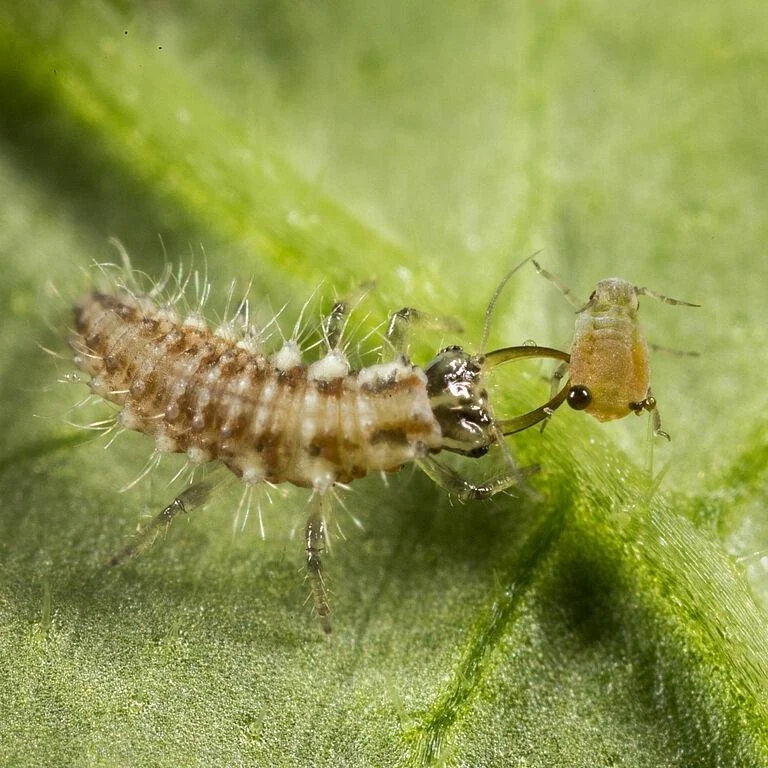
Green lacewing larvae: These tiny predators eat a variety of small insects, including flea beetles.
Big-eyed bugs: Despite their small size, they're effective hunters of flea beetles and other garden pests.
Damsel bugs: These slender predatory insects capture and feed on flea beetles and other small insects.
Parasitic wasps: Certain species lay eggs inside flea beetles, eventually killing them.
Beneficial nematodes: Some species attack flea beetle larvae living underground.
So how do we encourage more of these natural enemies to visit our gardens? One answer is to grow flowers that provide nectar, pollen, and shelter for beneficial insects.
My Favorite Plants for Attracting Beneficial Insects
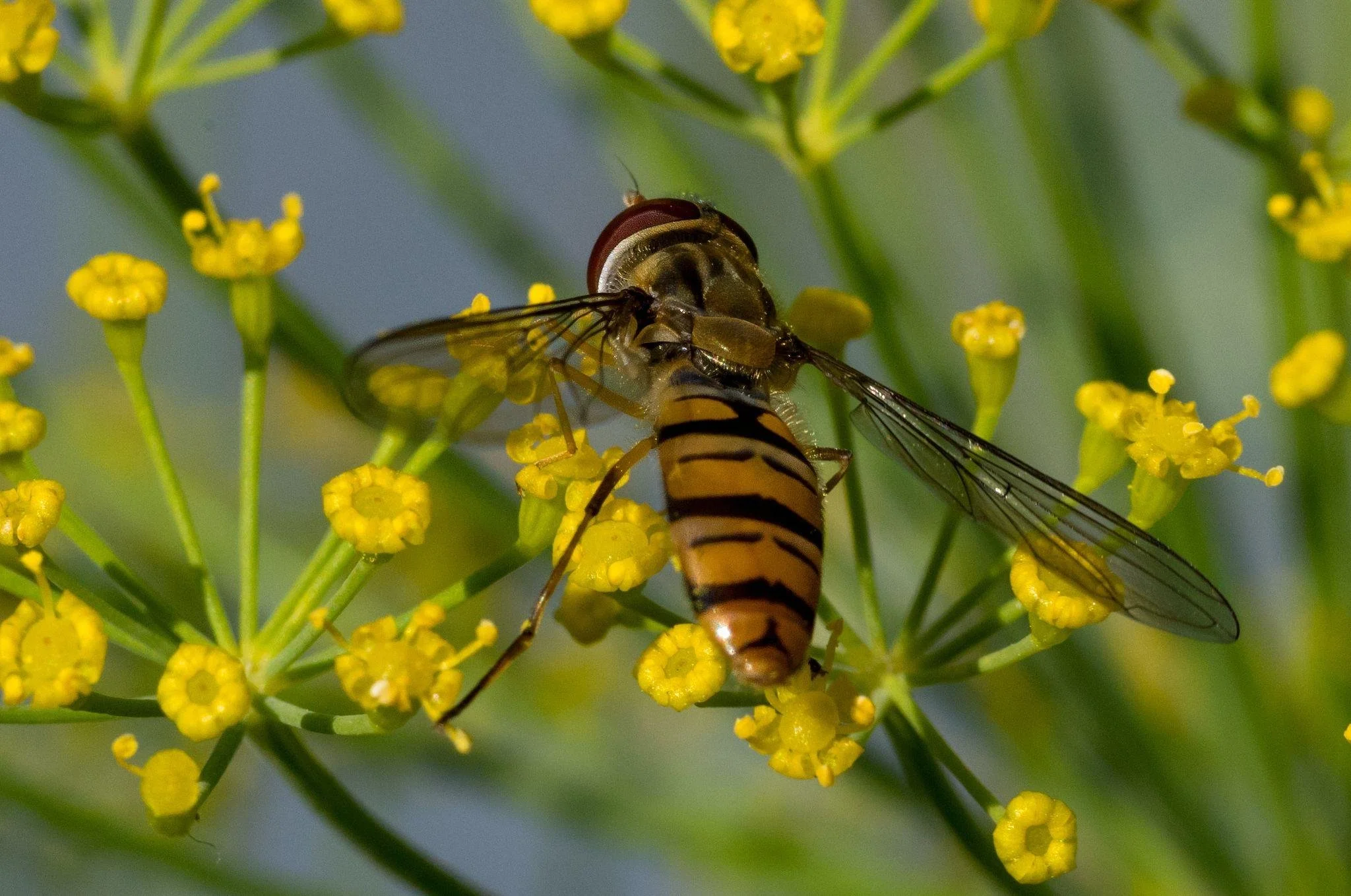
Dill: Let a few plants flower! Those umbrella-shaped yellow blooms provide nectar for small beneficial insects, including parasitic wasps.
Sweet alyssum: This low-growing flower is an excellent addition to vegetable garden borders. Its tiny blooms provide food for a variety of beneficial insects.
Mountain mint: A fantastic perennial for attracting beneficial insects in Tennessee. Its abundant flowers attract many kinds of beneficial wasps and other insects.
Cilantro: Instead of pulling every cilantro plant when it bolts, let some flower. Those delicate white blooms can provide nectar for small beneficial insects.
Clover: Growing clover in nearby paths or borders can provide ground-level habitat and flowers for beneficial insects.
But Do Any Plants Actually Repel Flea Beetles?
You've probably heard that marigolds, basil, garlic, onions, or other strongly scented plants can repel flea beetles. Unfortunately, the scientific evidence isn't strong enough to count on these plants for reliable protection. I wouldn't plant a row of marigolds and assume my eggplants were safe! Instead, I'd use flowering companions to attract beneficial insects and improve the overall garden ecosystem.
That's an important distinction.
And here's another interesting consideration if you're thinking about using chickens: chickens don't distinguish between good bugs and bad bugs! They may eat flea beetles, but they can also eat the ground beetles, spiders, and other beneficial creatures we're trying to encourage.That's why I'd keep a permanent beneficial-insect habitat separate from areas where chickens are allowed to scratch.
My approach? Protect young eggplants with insect netting, grow flowers nearby to support natural predators, and let the chickens help with garden cleanup after the growing season. No single method is guaranteed to eliminate flea beetles, but combining several natural strategies gives our eggplants a much better chance. And that's my kind of lazy gardening!
What Eats Flea Beetles? Natural Predators and Companion Plants That Help
What Do Commercial Eggplant Growers Do About Flea Beetles?
This was another part of the research I found interesting. Commercial vegetable growers don't usually depend on one method to control flea beetles. Instead, they use an approach called integrated pest management, or IPM. That means combining prevention, monitoring, good growing practices, and treatments when necessary.
Commercial strategies may include:
Healthy, vigorous transplants: Larger plants are better able to tolerate early feeding.
Field scouting: Growers regularly inspect plants to determine whether beetle populations are becoming damaging.
Crop rotation and sanitation: Managing weeds and old crop residues can reduce pest habitat.
Physical barriers: Some growers, particularly in smaller-scale and organic production, use insect netting to prevent beetles from reaching plants.
Targeted insecticides: Conventional commercial growers may use labeled soil-applied or foliar insecticides when needed, following label requirements and rotating insecticide classes to manage resistance.
The 2026 Southeastern U.S. Vegetable Crop Handbook includes specific commercial recommendations for flea beetle control on eggplants.
But here's what I find encouraging. Home gardeners often have one advantage over large commercial growers: protecting a handful of eggplants with insect netting is much more manageable than covering acres of crops!
My Favorite Prevention Method: Fine Insect Netting
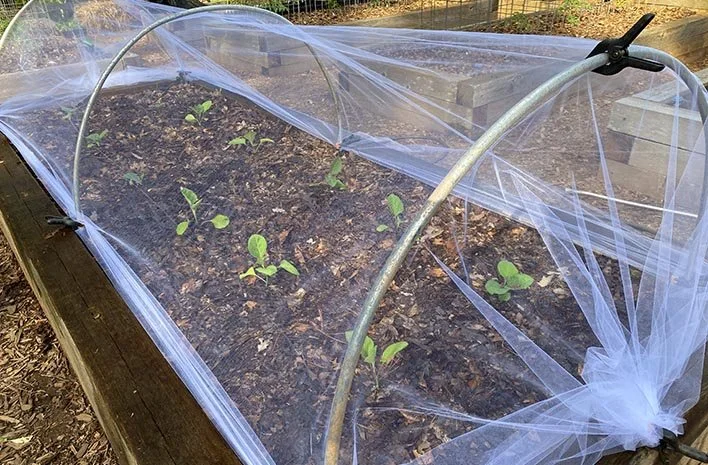
If I were growing eggplants in Tennessee and dealing with flea beetles every year, fine insect netting (or bridal toule)would be my first line of defense.
I would install it immediately after transplanting, before the flea beetles have a chance to feed on the young plants. The netting should be supported above the foliage with hoops or a frame, and the edges need to be sealed so the beetles can't crawl underneath. It's also important to use a fresh planting area when practical. Otherwise, beetles already hiding in the soil could emerge underneath the protection.
In Tennessee's hot weather, I'd choose breathable insect mesh(or bridal toule) instead of a heavy frost-protection fabric that traps heat.
Once the eggplants begin flowering, I'd reassess the protection. Eggplants are self-fertile, but pollinating insects can improve fruit set, so removing or opening the cover at flowering is generally a good practice. Then I'd continue monitoring the plants.
Remember, a mature eggplant doesn't necessarily need perfectly undamaged leaves to produce a good harvest.
What About Kaolin Clay, Neem Oil, or Other Natural Treatments?
There are other products gardeners can consider when flea beetle pressure is high.
Kaolin clay, sold for agricultural use in products such as Surround, creates a protective film on the leaves that discourages insect feeding. It can help reduce flea beetle damage, although applications may need to be renewed after rainfall.
Other products, including certain formulations of spinosad, neem, or pyrethrin, may be used against flea beetles when labeled for the crop. But even products described as organic can affect beneficial insects, including pollinators. Always read and follow the label.
For someone who battles these pests every spring, I'd concentrate on prevention before reaching for a spray bottle.
My Tennessee Flea Beetle Prevention Plan
Here's the simple approach I'd recommend for someone who faces this problem year after year.
Fall: Prepare for next year
Remove old eggplant plants after harvest.
Reduce nearby horsenettle and other nightshade weeds that can support flea beetles.
If chickens are available, consider allowing them to forage on the cleared growing area, with appropriate manure-management and harvest intervals.
Before spring planting: Get ahead of the beetles
Choose a different planting bed if possible.
Prepare healthy soil and grow sturdy transplants.
Have fine insect netting and hoops ready before planting day.
When the eggplants go outside: Protect them immediately
Transplant after frost danger has passed and the soil has warmed.
Install the insect netting that same day.
Keep the plants watered and growing vigorously.
Inspect regularly for beetles, especially underneath the netting.
As plants mature: Monitor rather than overreact
Once the plants are established, continue watching the new growth.
Some holes in older leaves are not necessarily a reason to treat the entire garden. The goal isn't perfect-looking foliage. The goal is healthy plants that produce plenty of eggplants!
An Experiment I'd Love to See: Chickens vs. Flea Beetles
If someone has a recurring flea beetle problem and already keeps chickens, this could be an interesting gardening experiment.
After the growing season, choose two similar eggplant growing areas. Allow chickens to forage in one cleared area while leaving the second area undisturbed. Next spring, plant the same eggplant variety in both areas, using equal-sized transplants and identical watering, fertilizing, and insect-netting practices. Then compare beetle counts, new leaf damage, plant growth, and eventually harvests.
It wouldn't be a perfect scientific trial because flea beetles can move between areas. But it could help identify whether fall chicken foraging makes a noticeable difference. I'd especially love to know whether the chickens help reduce the number of overwintered beetles emerging from the treated soil.
The Lazy Gardener's Takeaway
Sometimes the best pest-control strategy isn't figuring out how to kill every insect. It's understanding how the insect lives and finding ways to interrupt the damage before it starts. For flea beetles, that means focusing on the young eggplants when they're most vulnerable.
And while chickens and quail offer some interesting possibilities for natural pest management, I wouldn't rely on them alone.
My favorite combination would be healthy transplants, fine insect netting, good garden sanitation, and carefully timed chicken foraging after harvest. It's simple, practical, and doesn't require spending the entire summer chasing tiny jumping beetles. That's the kind of easy, natural gardening I love.
Have you tried using chickens or quail for insect control in your garden? I'd love to know what worked, what didn't, and whether you've noticed fewer pests in areas where your chickens have been scratching.
After all, I'm always looking for ways to make gardening easier. Need help figuring out a natural pest-management plan for your garden? I offer virtual garden consultations anywhere in the U.S. Let's work together.
Happy gardening!
The Lazy Northern Gardener