Fall Watering in Michigan: Don't Put Your Hose Away Yet!
Why watering your garden in October and November can make a big difference next spring.
Fall has arrived in Michigan! The leaves are changing, temperatures are dropping, and most of us are winding down our gardening chores.
But there's one chore I don't want you to forget.
WATERING!
I know, I know. It's October! Shouldn't we be putting the hoses away and getting ready for winter?
Not so fast!
Here in Southeast Michigan and up into the Thumb, we can experience some surprisingly dry stretches during fall. And while those long-range weather forecasts aren't always reliable, they should remind us to check what's happening beneath the soil.
Just because it's cooler outside doesn't mean your plants have enough water.
And after spending all season growing our gardens, the last thing we want is to lose plants because we stopped watering too soon.
Why Fall Watering Matters
Here's something gardeners sometimes forget: The first frost doesn't mean the ground is frozen. Even after leaves begin dropping and perennials start dying back, roots can remain active while soil temperatures are favorable. Plants need adequate moisture to maintain healthy roots and prepare for winter. Going into freezing temperatures already stressed by drought can make winter conditions even harder on them. And some plants are more vulnerable than others.
1. Trees and Shrubs: Don't Forget the Big Investments!
Think about how much money you've invested in your landscape. Trees, fruit trees, shrubs, and evergreens aren't cheap!
Newly planted trees and shrubs deserve extra attention because their root systems haven't fully established. However, even established plants can suffer when the soil remains unusually dry.
Evergreens are especially important.
Unlike deciduous trees that lose their leaves, evergreens hold onto their needles or leaves throughout winter. They can continue losing moisture during periods when frozen ground prevents their roots from replacing it.
That's one reason we sometimes see brown needles and damaged evergreens in spring.
How to water trees and shrubs in fall
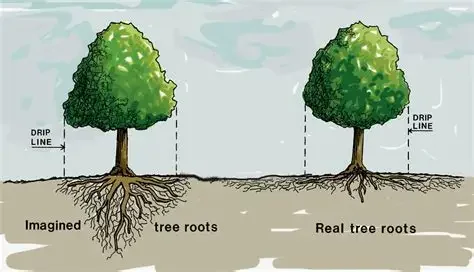
Check moisture about 6–9 inches beneath the soil surface in the root zone. Root zones extend out - at least - to the tips of the branches.
If it's dry, water slowly and deeply.
Spread water around the root zone rather than concentrating it against the trunk.
Let the water soak in instead of running across the surface.
Continue checking moisture during dry periods until the ground freezes.
Remember, a tree's roots extend outward, often beyond the branches!
2. Perennials: Brown Doesn't Always Mean Finished
Your hostas, coneflowers, daylilies, and other perennials may look like they're finished for the year.
And aboveground, they probably are! But belowground, their roots and crowns are still preparing for winter. Newly planted perennials, strawberries, and other shallow-rooted plants can be especially vulnerable when the soil becomes excessively dry. You don't need to soak everything constantly. Simply check the soil and water when necessary.
A layer of shredded leaves or other organic mulch can help retain moisture and moderate soil temperatures.
Lazy gardening tip: Those fallen leaves can be useful! Put them to work protecting your soil instead of hauling every last one away.
3. Your Fall Vegetable Garden Still Needs Water!
If you're growing lettuce, spinach, carrots, peas, kale, Swiss chard, or other cool-season vegetables, don't forget that they're still growing! And growing plants need water. Young seedlings are especially vulnerable because their developing roots haven't reached very far into the soil.
One of my favorite lazy gardening techniques is checking the soil before watering instead of blindly following a schedule. For actively growing vegetables, approximately one inch of water per week from rain and irrigation is a useful starting point. But cooler temperatures often reduce watering needs, so let the soil guide you.
Keep seedling root zones consistently moist without leaving them saturated. And if you're growing in raised beds or sandy soil, check a little more frequently.
4. Water Smarter, Not Harder!
You know I'm all about making gardening easier! Fall watering doesn't have to mean dragging the hose around every single day. Here's how I make the most of the water I'm using.
Water in the morning. This allows water to soak into the soil and gives wet foliage time to dry before nighttime temperatures drop.
Water slowly and deeply. Established plants usually benefit more from occasional deep watering than frequent surface sprinkling.
Check beneath the surface. Soil can appear dry on top while still holding plenty of moisture underneath. Use a trowel or your fingers - the finger test - to investigate.
Use mulch. Shredded leaves, wood chips, and other organic materials help reduce evaporation and protect the soil. Keep mulch pulled back from tree trunks and plant crowns. Think DONUT, not vocano.
Know your soil. Sandy soil drains quickly and doesn't retain moisture as long as heavier soils. Instead of applying excessive water all at once, use smaller applications when necessary and allow each to soak in.
Use the right watering tools. Soaker hoses, drip irrigation, and a gently running hose can deliver water directly where plants need it.
And remember to drain your hoses and outdoor watering equipment before freezing weather damages them!
5. When Should Michigan Gardeners Stop Watering?
Here's the important distinction:
FIRST FROST DOES NOT MEAN FROZEN GROUND!
In Michigan, our first frost can arrive weeks before the soil actually freezes. During dry periods, trees, shrubs, and perennials may still benefit from watering well into late fall. Don't use a specific calendar date to decide when you're finished. Watch the weather, check the soil, and continue watering when needed until the ground freezes. If the soil is already moist, skip the watering. We want healthy roots, not waterlogged ones!
The Bigger Picture: Plants and the Water Cycle
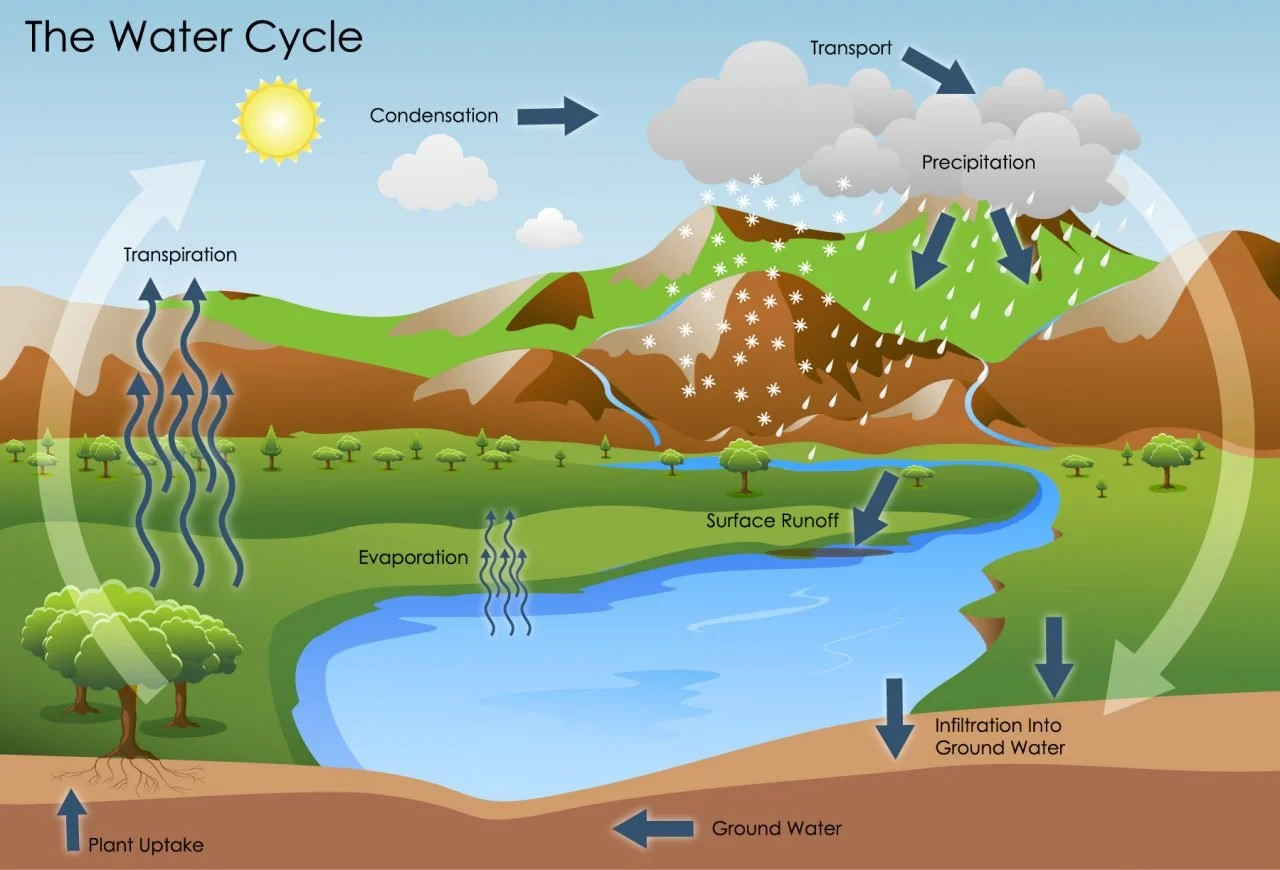
There's another reason maintaining healthy vegetation matters. Plants actually help move water through our environment! Through a process called transpiration, plants absorb water through their roots and release water vapor through their leaves. This contributes moisture to the atmosphere and helps cool the surrounding environment. When plants experience severe water stress, transpiration can slow. Across entire landscapes, changes in vegetation and soil moisture can influence local temperatures and the water cycle.
Now, I'm certainly not suggesting that watering your backyard will prevent a regional drought! But healthy vegetation and healthy soils are important parts of a healthy environment. And protecting what we've already planted is a worthwhile place to start.
A Little Fall Watering Now Can Save a Lot of Work Next Spring
One of my favorite things about lazy gardening is avoiding unnecessary work. And replacing expensive trees, shrubs, and perennials that might have survived with better care? That's unnecessary work!
Before you pack away those hoses, take a walk around your garden. Check the soil around your trees, look at your fall vegetables, and pay attention to anything planted recently. A few minutes spent checking moisture now can help you avoid some unpleasant surprises next spring.
Want to See How I Water My Garden in Fall?
I've put together a YouTube video showing my practical approach to fall watering, including how to get water where your plants need it without wasting time or effort.
Need Help Getting Your Garden Ready for Winter?
Not sure what needs watering, what needs protection, or how to prepare your particular garden for Michigan winters?
I offer personalized virtual garden consultations to help you make the most of your garden without making it another full-time job.
BOOK A VIRTUAL GARDEN CONSULTATION
Because I'm not just growing gardens.
I Grow Gardeners! 🌱
Happy Gardening!
Tammy
The Lazy Northern Gardener
One last question: Have you already put your garden hose away, or are you still watering? Tell me in the YouTube Garden Community!